From full slab to installation-ready parts.

A complete sintered stone route for slab sizing, sink and fitting openings, 45° mitres, visible-edge preparation and final inspection.

  • Cutting + waterjet + chamfering
  • Kitchen, vanity and furniture panels
  • Material-specific process training
Sintered stone productionSintered stone 45 degree chamfering machine
01Size the slab
02Cut openings
03Prepare mitres
Why a dedicated process

Large, brittle slabs expose weak links quickly.

The most expensive problems often appear after cutting: chipped corners, uneven 45° mitres, misaligned openings, broken parts during handling, or dimensions that do not match installation drawings.

This solution designs the line around the final component. Yongtao combines equipment selection with cutting sequence, tool choice, handling guidance and acceptance checks.

  • Control the cut before finishing the edge
  • Separate straight sizing from complex openings where appropriate
  • Match mitre settings to slab thickness and joint requirement
  • Inspect geometry before bonding or dispatch
Large format sintered stone cutting machine
Start with the drawingFinished dimensions and visible edges define the machine sequence.
Recommended machine sequence

Three core processes, one controlled handoff.

The exact line may change with product mix. The structure below covers the recurring tasks in kitchen, bathroom and furniture-panel production.

3200-C CNC slab cutting

Size the full slab and prepare repeat rectangular components up to the stated working envelope.

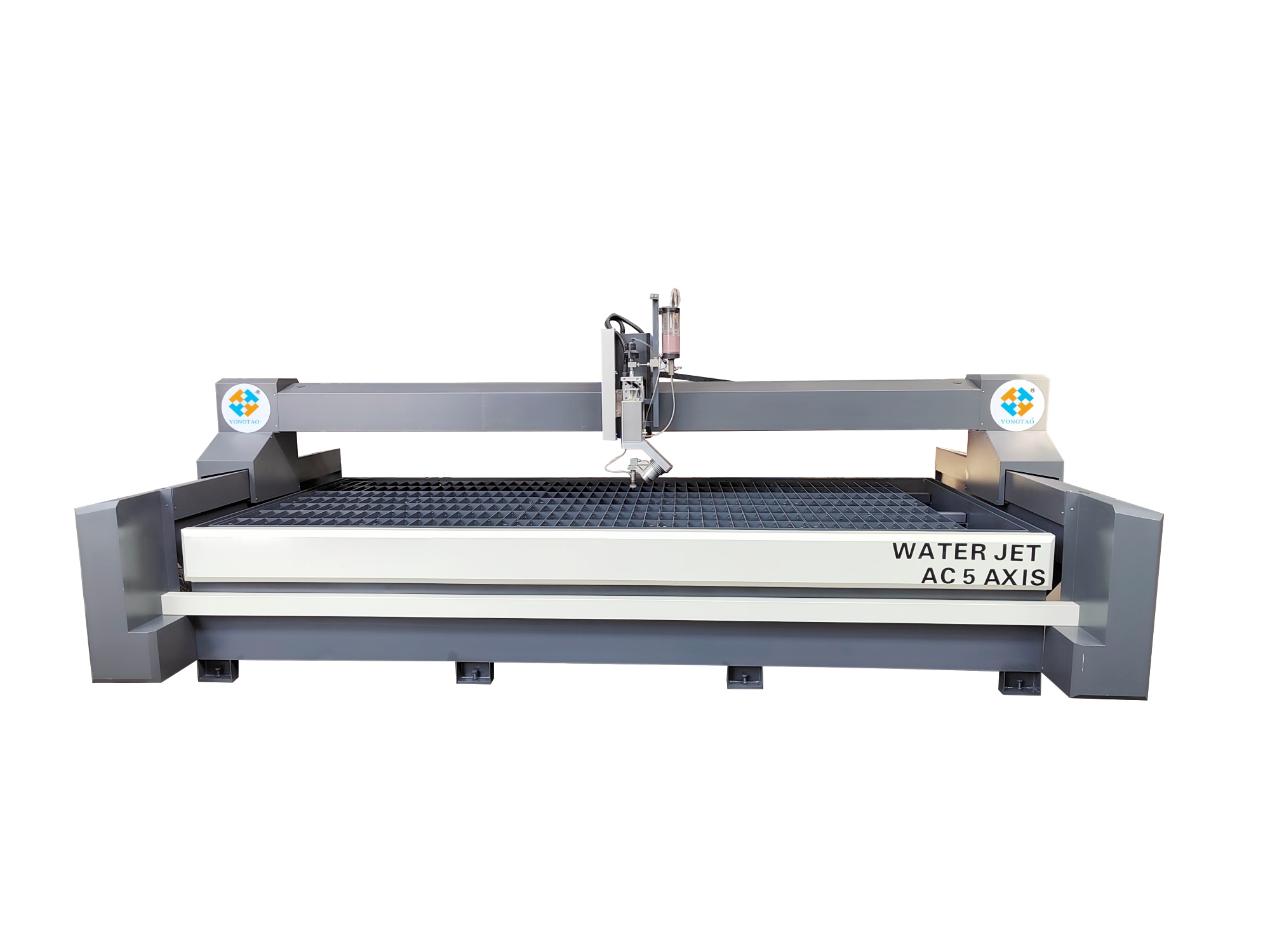
4016-5L AC waterjet

Cut sink holes, tap holes, internal corners, curved parts and 45° features from CAD data.

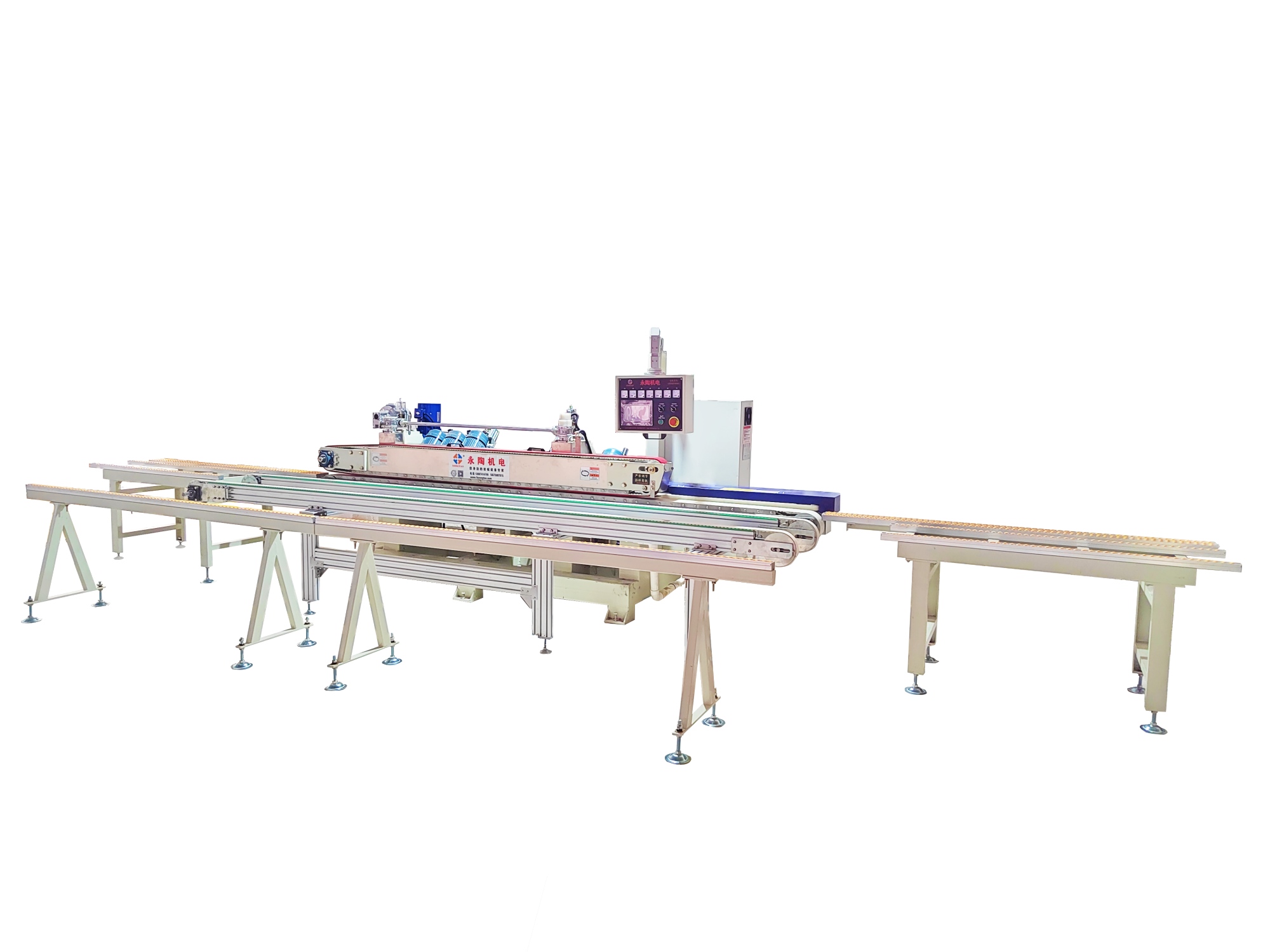
3200-D chamfering

Prepare repeat 45° edges for mitred joints with controlled dimensions along the part.

Dry fit and inspection

Check part dimensions, opening positions, edge condition and joint quality before bonding or packing.

Finished products

One line, several product routes.

Product drawings should be grouped by shared processes so the factory can standardize setup and reduce unnecessary handling.

01

Kitchen worktops

Slab sizing, hob and sink openings, visible edges and mitred returns.

02

Integrated basins

Accurate openings and mitre preparation for bonded basin structures.

03

Vanity countertops

Repeat dimensions, tap holes, backsplash parts and clean front edges.

04

Furniture panels

Dining tables, islands, bars, reception desks and cabinet surfaces.

Acceptance criteria

Agree how the output will be judged.

Statements like “high precision” only become useful when the inspection point and acceptable result are defined.

CheckpointWhat to inspectHow to prepare the testWhen to approve
Cut dimensionsLength, width, squareness and repeated part consistencyProvide a representative cut list with longest and shortest partsAfter measurement on cooled, cleaned components
Edge conditionChipping, corner breakage and visible surface damageUse actual slab brand, thickness and finish where possibleBefore later polishing hides or changes the edge
OpeningsPosition, contour, internal corners and kerf effectSupply production DXF / CAD data and fixture requirementAfter dry fit with a template or mating component
45° mitresBevel consistency, remaining edge and joint appearanceDefine slab thickness, glue gap and finished joint targetAfter two sample pieces are dry-fitted together
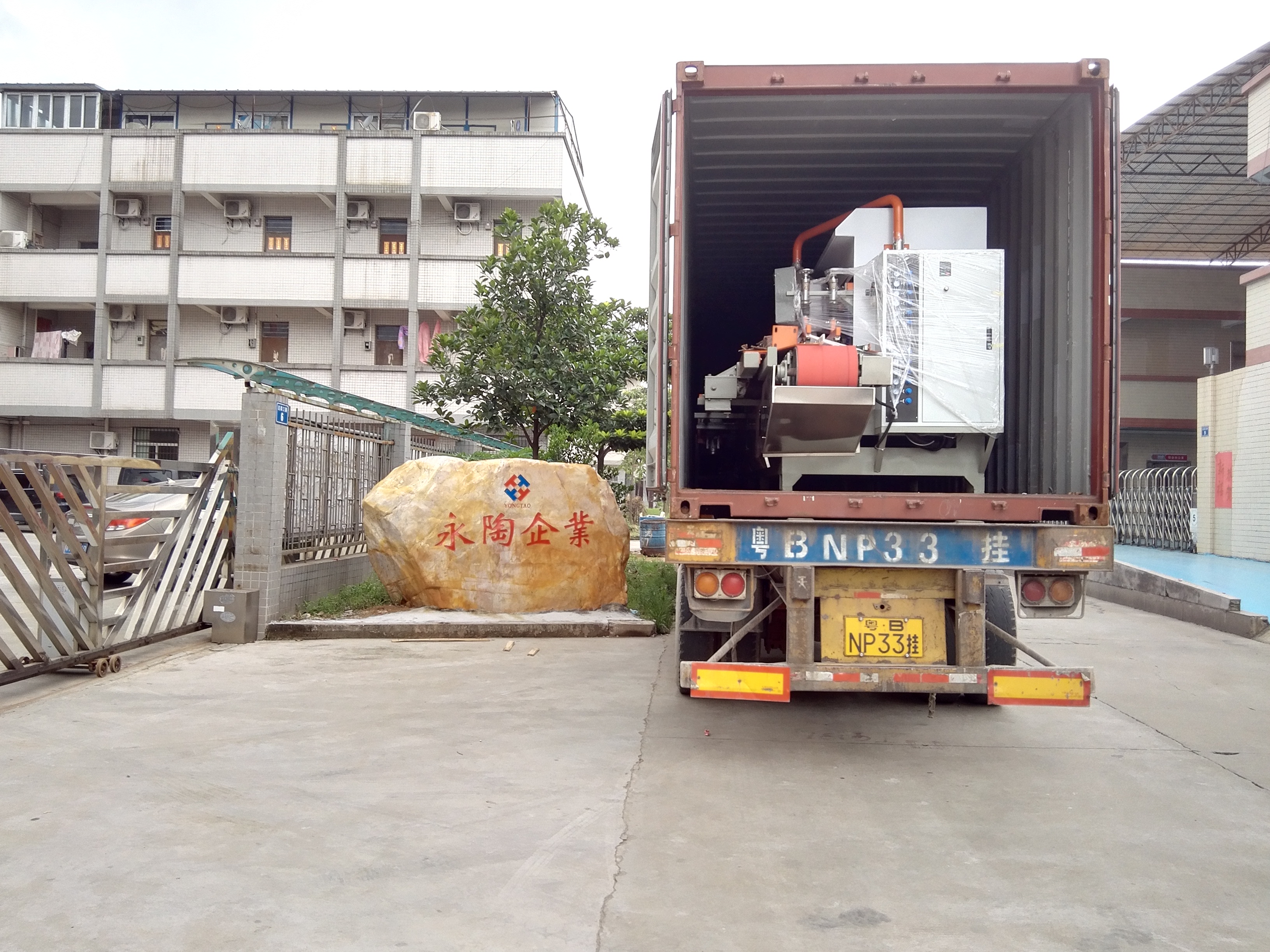
Yongtao machinery prepared for export delivery
Project scope

What to send for a line proposal.

Five inputs are enough to move from a general discussion to a configuration your production team can evaluate.

  • 01Slab brands, thickness range and maximum dimensions
  • 02Finished-product drawings or representative photos
  • 03Required pieces per shift and current labour plan
  • 04Factory floor plan, utilities and material movement route
  • 05Destination voltage, port and required commissioning method
Send the project brief →